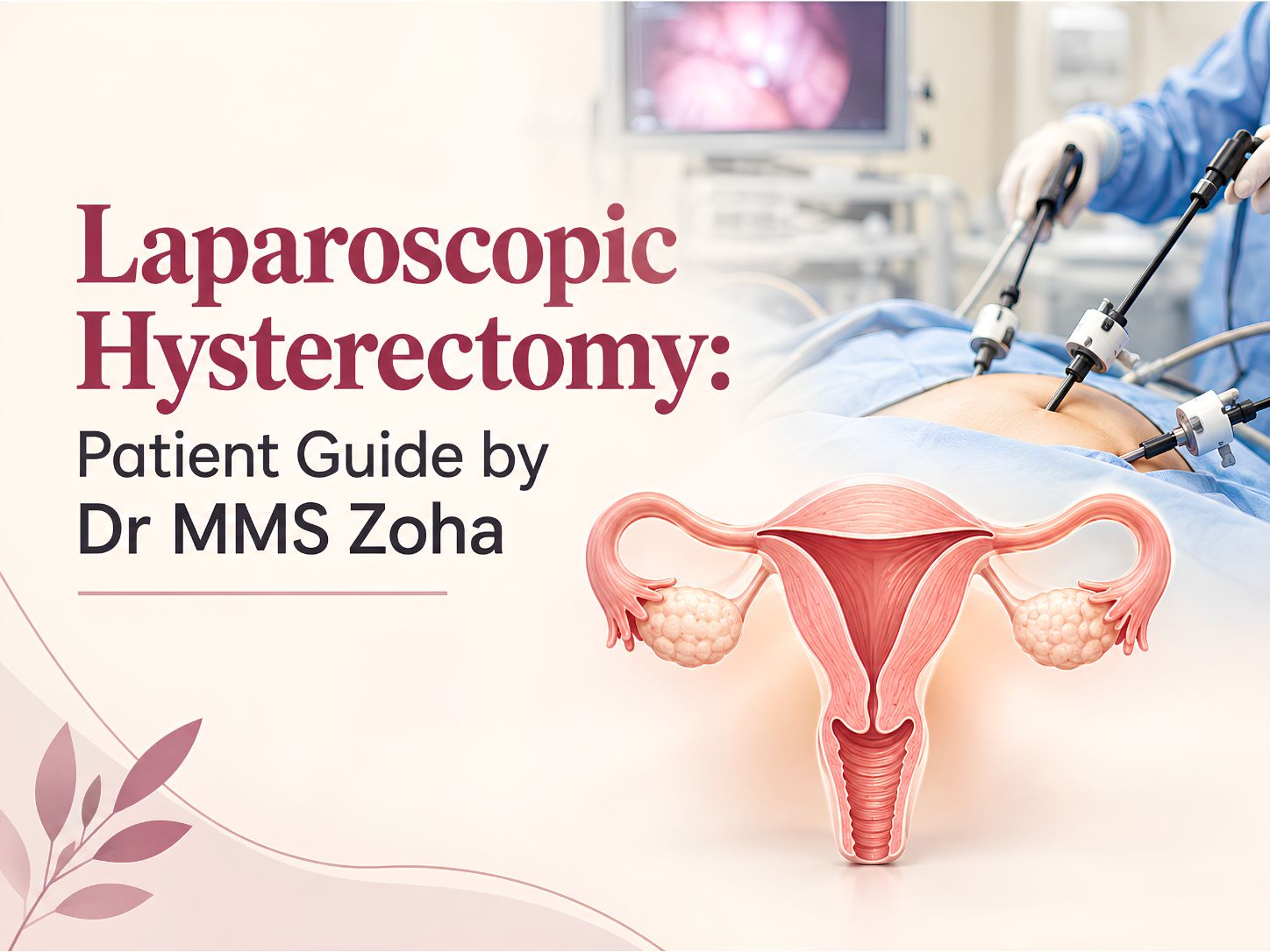
Talking about hysterectomy
If your gynaecologist has advised you to undergo a laparoscopic hysterectomy, it is completely natural to feel worried and to have many questions in your mind. Hysterectomy is a common gynaecological operation in which we remove the uterus (womb), and that sounds like a big step, so you deserve clear, honest information. Modern minimally invasive techniques like laparoscopy, often called “keyhole surgery,” allow many women to have this operation through a few small cuts instead of one large abdominal incision.
What exactly is a hysterectomy?
A hysterectomy is a surgical procedure in which the uterus, or womb, is removed. Depending on your age and medical condition, your ovaries may or may not be removed at the same time. After a hysterectomy, you will no longer have menstrual periods and you will not be able to become pregnant, so we discuss this carefully before recommending surgery.
What is a laparoscopic (keyhole) hysterectomy?
When we perform a laparoscopic hysterectomy, we remove the uterus through small cuts in the abdomen using a thin telescope with a camera, called a laparoscope. This telescope is usually inserted through a small opening near the navel, and we see your pelvic organs on a large monitor in the operating theatre. Through two to four other small openings, we pass special instruments that allow us to perform the operation using this “keyhole” technique instead of a large open cut.
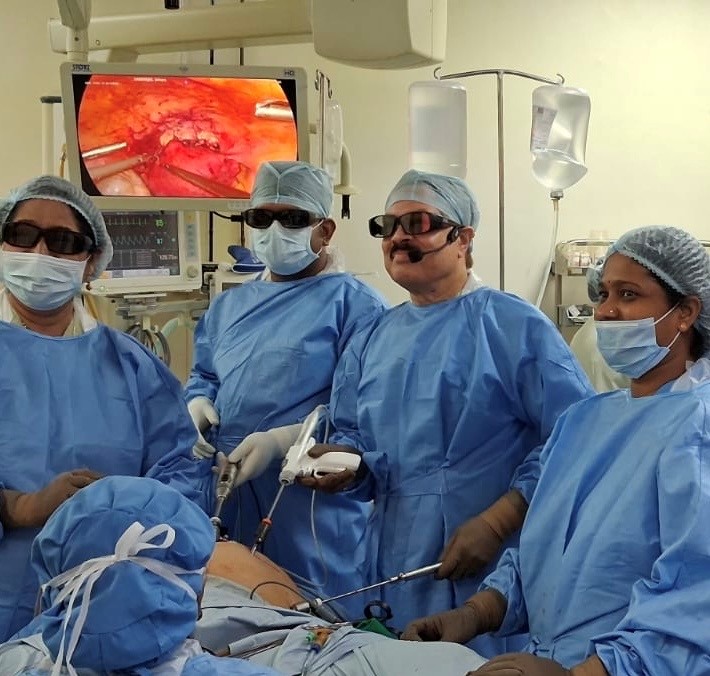
3D Laparoscopy: Operation Theatre View
Why might your doctor advise hysterectomy?
A hysterectomy is usually recommended when medicines or other treatments have not given enough relief or are no longer appropriate. Common reasons include large or symptomatic uterine fibroids, very heavy or prolonged menstrual bleeding, severe pelvic endometriosis or adenomyosis, and ovarian cysts or tumours. We may also advise hysterectomy for uterine prolapse, certain precancerous conditions, or cancers of the uterus, cervix or other reproductive organs. The decision is always individual and made after detailed discussion with you.
Does every woman with fibroids need a hysterectomy?
No, absolutely not. Many women who have fibroids never need surgery at all. Depending on the size and location of the fibroids, your symptoms, age, future fertility plans and other factors, we may manage fibroids with medicines, non‑surgical procedures, or uterus‑preserving operations. Hysterectomy is considered when it is clearly the most appropriate and definitive treatment, especially when childbearing is complete.
Is laparoscopic hysterectomy suitable for every woman?
Laparoscopic hysterectomy is an excellent option for many women, but it is not suitable for absolutely everyone. The size of the uterus, previous abdominal surgeries, extensive internal adhesions, certain cancers, your other medical conditions and the overall complexity of surgery all influence the choice of approach. After examining you and reviewing your scans and reports, your surgeon will recommend the safest technique for you, which may be laparoscopic or sometimes an open operation.
Will I be awake during the operation?
No. Laparoscopic hysterectomy is usually performed under general anaesthesia, which means you will be completely asleep throughout the procedure. You will not feel pain or be aware of what is happening during the operation.
How is the uterus removed through such small cuts?
During surgery, we first separate the uterus from its supporting tissues and blood vessels using laparoscopic instruments. Although the operation is done through small abdominal cuts, the uterus itself is usually removed through the vagina. The exact technique depends on the size of the uterus and the underlying condition, and we plan this in advance and also decide the final approach during surgery if needed.
Will my ovaries be removed?
Not necessarily. Removing the uterus does not automatically mean that the ovaries must be removed. If there is no medical reason to remove healthy ovaries, we often preserve them, especially in younger women. In many cases, ovaries are removed after menopause, but the decision is always based on your age, medical condition and the reason for surgery, and we discuss these points with you beforehand.
If my ovaries are preserved, will I have menopause immediately?
Usually, no. Your ovaries produce the hormones responsible for ovarian function, and if they are preserved, they can continue to function even after the uterus has been removed. Some women may experience menopause somewhat earlier than they otherwise would, but this varies from person to person and is discussed as part of your counselling.
What are the advantages of laparoscopic hysterectomy?
For appropriately selected patients, laparoscopic hysterectomy can offer several advantages compared with conventional open abdominal surgery. These may include smaller incisions and smaller scars, less postoperative pain, less blood loss in many cases, earlier mobilisation after surgery, shorter hospital stay, and faster overall recovery. Many women are able to return sooner to normal activities and work, although the exact benefits depend on the individual and the complexity of the operation.
Will I have scars after laparoscopic hysterectomy?
Yes, but the scars are usually small. Typically there are two to four small cuts on the abdomen, depending on the exact technique used. Over time, these scars usually fade and become much less noticeable, and most women are comfortable with how they look.
Is laparoscopic hysterectomy painful?
Any surgery causes some discomfort, and laparoscopic hysterectomy is no exception. However, compared with an open abdominal hysterectomy, laparoscopic surgery generally causes less postoperative pain. You will receive pain‑relieving medicines after the operation, and in most cases you will be able to start walking relatively soon after surgery.
How long will I stay in hospital?
Hospital stay varies from woman to woman, depending on your general health, the type and complexity of surgery, and the hospital’s protocol. Many women who undergo uncomplicated laparoscopic hysterectomy can go home within one or two days after surgery. Some patients may need to stay longer, and we make this decision based on your recovery and medical needs.
How long does recovery take?
Recovery is different for every person. Many women gradually return to routine activities within a few weeks after laparoscopic hysterectomy. The small skin incisions heal relatively quickly, but complete internal healing takes longer, so even if you feel better early, we still advise you about exercise, lifting, driving, work and sexual activity based on medical guidelines.
Will hysterectomy affect my sexual life?
For most women, hysterectomy does not prevent a normal and satisfying sexual life once recovery is complete. In fact, if you have been suffering from heavy bleeding, pelvic pain or discomfort during intercourse, you may find that your sexual wellbeing improves after successful treatment. Every woman’s experience is unique, so it is important to discuss any concerns about sexual health openly with your gynaecologist.
What are the risks of laparoscopic hysterectomy?
Like any major operation, laparoscopic hysterectomy has potential risks, although serious complications are uncommon. Possible risks include bleeding, infection, and injury to internal organs such as the bladder, bowel or ureters, which are the tubes carrying urine from the kidneys to the bladder. Blood clots in the legs and anaesthetic complications are also recognised risks in major surgery. In some cases, the surgeon may decide during the operation that it is safer to convert from laparoscopy to an open abdominal procedure, and patient safety always comes first.
Can laparoscopic hysterectomy be done if the uterus is very large?
Sometimes, yes. Whether we can safely perform a laparoscopic hysterectomy for a very large uterus depends on several factors, including uterine size and shape, the presence of fibroids, any previous surgery, and the surgeon’s experience. A large uterus does not automatically rule out laparoscopic surgery, but we must decide the safest approach for each individual patient.
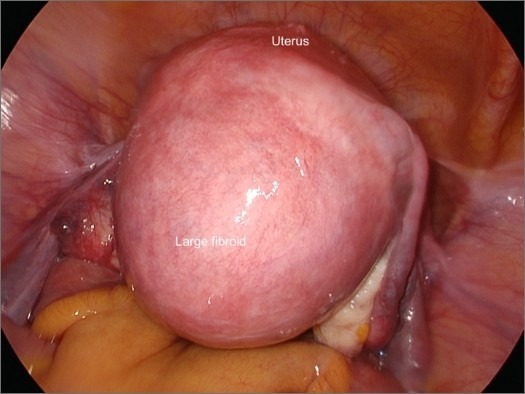
Laparoscopic view of Big Fibroid Uterus
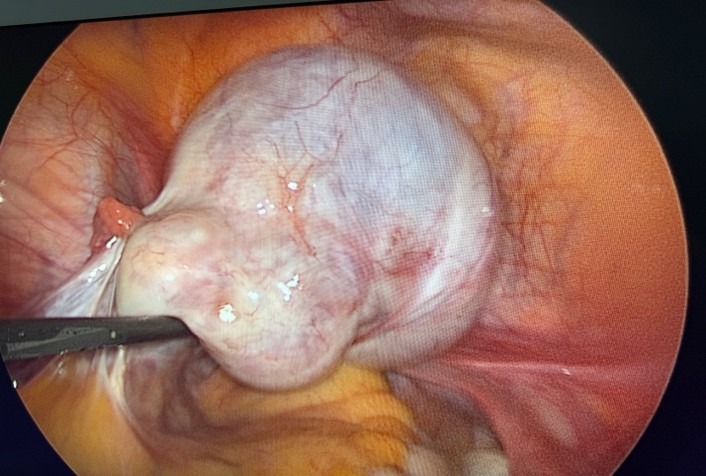
Laparoscopic View of Ovarian Cyst
Does hysterectomy make a woman less feminine?
Absolutely not. The uterus is an important reproductive organ, but removing it does not change a woman’s identity, femininity or worth. Many women experience a significant improvement in quality of life after hysterectomy because troublesome bleeding, pain or other symptoms are relieved.
Is laparoscopic hysterectomy “better” than open hysterectomy?
There is no single operation that is best for every woman. When laparoscopic surgery is appropriate, it offers the advantages of minimally invasive surgery, such as smaller incisions and faster recovery. However, in certain complex cases an open operation may actually be safer or more appropriate. The best operation is always the safest operation for that particular patient, after considering all medical factors.
What should I ask my doctor before deciding?
Before deciding on hysterectomy, it is important that you understand clearly why surgery is being recommended and what alternatives exist. You may wish to ask questions such as:
- Why do I need a hysterectomy?
- Are there alternatives to surgery?
- Can my uterus be preserved?
- Can my ovaries be preserved?
- Will my cervix be removed?
- Why is laparoscopy recommended in my case?
- What are the possible risks and complications?
- How long will recovery take?
- When can I return to work and normal activities?
Bringing these questions to your consultation helps you make a confident, informed decision.
A word of reassurance from Dr MMS Zoha
I understand that the word “hysterectomy” can cause anxiety, both for you and for your family. It is important to remember that hysterectomy is not simply about removing the uterus; it is about choosing the safest and most appropriate treatment for a particular medical problem. Laparoscopic hysterectomy has transformed the experience of this operation for many women by replacing a large abdominal incision with minimally invasive surgery. With modern technology, careful patient selection and experienced surgical teams, it can provide effective treatment with less postoperative discomfort and faster recovery for many patients. Most importantly, the decision to undergo hysterectomy should follow a detailed discussion with a qualified gynaecologist about the reason for surgery, alternative treatments, whether the cervix and ovaries should be removed, expected benefits and possible risks.
Remember: small cuts do not mean small surgery—laparoscopic hysterectomy is still a major operation and requires skilled surgeons, appropriate facilities and careful postoperative care. Our goal is always the safest operation for the right patient at the right time.
FAQs
1. Is laparoscopic hysterectomy right for every woman?
No. Suitability depends on uterine size, previous surgeries, adhesions, cancers, other medical conditions and the overall complexity of the case. Your surgeon will advise the safest approach for you.
2. Will my ovaries be removed during hysterectomy?
Not necessarily. Healthy ovaries are often preserved, especially in younger women. Ovaries are more commonly removed after menopause or when there is a specific medical reason.
3. How long will I stay in hospital after laparoscopic hysterectomy?
Many women with uncomplicated laparoscopic hysterectomy can go home within one or two days, though some may need to stay longer depending on health and recovery.
4. Will hysterectomy affect my sexual life?
Most women can have a normal and satisfying sexual life after recovery. If heavy bleeding or pelvic pain were causing discomfort, sexual wellbeing may actually improve after treatment.
5. What are the main risks of laparoscopic hysterectomy?
Potential risks include bleeding, infection, injury to bladder, bowel or ureters, blood clots in the legs and anaesthetic complications. In some cases, the surgeon may convert to open surgery for safety.
6. Does hysterectomy make a woman less feminine?
Absolutely not. Removing the uterus does not change a woman’s identity or femininity, and many women experience better quality of life once troublesome symptoms are relieved.